
"coffee in Scandinavia"
400 article(s) found

Characteristics of Ecuadorian coffee beans Ecuadorian coffee manor
The Arabian Coffee Tree was first introduced to Ecuador in 1952 and its coffee is of good quality, especially the coffee harvested in early June. Ecuadorian coffee beans can be divided into two varieties: Galapagos and Gigante, both of which have the characteristics of large granules and heavy weight. Ecuadorian coffee can be divided into first class (No.1) and super excellent (Extra Superior) according to its quality.

Characteristics of Ecuadorian coffee beans Ecuadorian coffee manor
The Arabian Coffee Tree was first introduced to Ecuador in 1952 and its coffee is of good quality, especially the coffee harvested in early June. Ecuadorian coffee beans can be divided into two varieties: Galapagos and Gigante, both of which have the characteristics of large granules and heavy weight. Ecuadorian coffee can be divided into first class (No.1) and super excellent (Extra Superior) according to its quality.
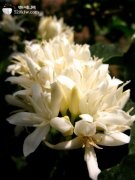
Coffee producing area Ecuador
The Arabian Coffee Tree was first introduced to Ecuador (Ecuador) in 1952 and its coffee is of good quality, especially the coffee harvested in early June.
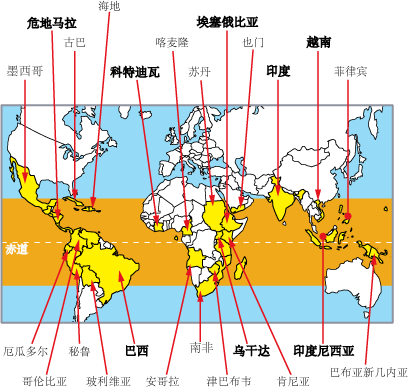
Arabica beans Arabica beans Arabica coffee producing countries Arabica coffee beans Arabica coffee
Arabian coffee beans of small quantity, high quality and soft taste in the Democratic Republic of Sao Tome and Principe. The Democratic Republic of Sao Tome and Principe (Sao Tom and Principe), a volcanic archipelago, is the second smallest independent country in Africa and was once a Portuguese colony, which did not win independence until 1975. The equator crosses the archipelago, where the climate is hot and humid, the land is fertile and irrigated

Global Coffee Origin-Sao Tome and Principe
In 1800, the Democratic Republic of Sao Tome and Principe introduced Arabica coffee trees from Brazil. Sao Tome and Principe, Africa's second smallest independent state, was a Portuguese colony until 1975, when it won independence. Sao Tome and Principe Democratic Republic Coffee Origin: Sao Tome and Principe

Sucabaruca Coffee utensils set Design
Luca Nichetto, Venice designer, his works are full of tension, with strong personal characteristics. In early 2014, this series of unique and traditional coffee group sets were launched in partnership with Mjlk, which continues its style, but there are many stories behind the design, which brings a lot of charm to the design. The idea of Sucabaruca Coffee Group

Ecuadorian coffee flavor Ecuadorian coffee characteristics Ecuadorian coffee taste
The Arabian Coffee Tree was first introduced to Ecuador in 1952 and its coffee is of good quality, especially the coffee harvested in early June. Ecuadorian coffee beans can be divided into two varieties: Galapagos and Gigante, both of which have the characteristics of large granules and heavy weight. Ecuadorian coffee can be divided into first class (No.1) and super excellent (Extra Superior) according to its quality.

Ecuadorian coffee plantation Arabian coffee growing countries
The Arabian Coffee Tree was first introduced to Ecuador (Ecuador) in 1952 and its coffee is of good quality, especially the coffee harvested in early June. Ecuadorian coffee beans can be divided into two varieties: Galapagos and Gigante, both of which have the characteristics of large granules and heavy weight. Ecuadorian coffee can be divided into first class according to quality (No. 1) and Extra (Superior)
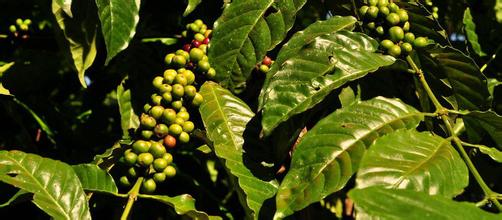
World Boutique Coffee Manor: Ecuador Ecuador Manor History and Coffee Flavor Introduction
Arabica coffee trees were first introduced to Ecuador in 1952, and their coffee quality is very good, especially when harvested in early June. Ecuadorian coffee beans can be divided into Galapagos (Galapagos) and Gigante (Gigante) two varieties, both have large particles, heavy portions of characteristics. Ecuadorian coffee can be divided into No.1 and Extra Superior according to quality.

General knowledge of boutique coffee beans Ecuador
The Arabian Coffee Tree was first introduced to Ecuador (Ecuador) in 1952 and its coffee is of good quality, especially the coffee harvested in early June. Ecuadorian coffee beans can be divided into two varieties: Galapagos and Gigante, both of which have the characteristics of large granules and heavy weight. Ecuadorian coffee can be divided into first class (No.1) and excellent (Extra Superior) according to its quality.
Ten thousand people drink coffee and Colombia challenges the world record.
A Colombian city claims to have set a world record today: 10, 3800 people gathered for coffee. Colombia is the world's leading producer of washed Arabica coffee beans, but locals do not buy much coffee, and authorities in the eastern province of Boyaca and the Colombian National Union of Coffee Farmers hold a special event to promote coffee drinks. The organizer said that the provincial capital of Boyaca
Health and caffeine
On the contrary, some studies have shown that caffeine is good for human health. People often ask: how much coffee is too much? In fact, it all depends on the individual's bearing capacity and habits. A cup of coffee contains an average of 60 to 90 milligrams of caffeine, while the average human body consumes nearly 500 to 600 milligrams of caffeine a day without any side effects. Neither coffee, tea nor Coca-Cola

Coffee producing area St. Helena Island
St. Helena (St Helena) is located in the Atlantic Ocean, 2000 km from Africa and 3500 km from Brazil, with a population of about 5000. Of course, the island is famous because Napoleon was exiled after the Battle of Waterloo in 1815 and died on the island in 1821.
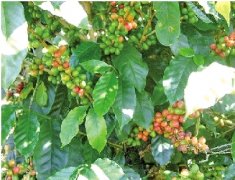
Sao Tome and Principe Democratic Republic Small quantity, high quality, soft and rich Arabic coffee
Arabica coffee beans with small quantity, excellent quality and soft and rich taste. Sao Tome and Principe, a volcanic archipelago, is the second smallest independent state in Africa. It was a Portuguese colony until 1975 when it won independence. The equator crosses the archipelago, where the climate is hot and humid, the soil fertile, well irrigated and rich in coffee. In 1800, the country was liberated
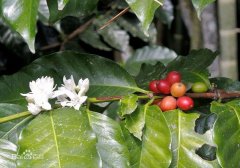
Democratic Republic of Sao Tome and Principe Arabia with small quantity, good quality and soft taste
Arabica coffee beans with small quantity, excellent quality and soft and rich taste. Sao Tome and Principe, a volcanic archipelago, is the second smallest independent state in Africa. It was a Portuguese colony until 1975 when it won independence. The equator crosses the archipelago, where the climate is hot and humid, the soil fertile, well irrigated and rich in coffee. In 1800 the country was liberated
Basic knowledge of Fine Coffee Coffee from the Democratic Republic of Sao Tome and Principe
In 1800, the Democratic Republic of Sao Tome and Principe (SaoTomeandPrincipe) introduced Arabian coffee trees from Brazil. The Democratic Republic of Sao Tome and Principe (SaoTomeandPrincipe), the second smallest independent country in Africa, was once a Portuguese colony and did not win its independence until 1975. Coffee production in the Democratic Republic of Sao Tome and Principe: Sao Tome and Principe
Coffee producing area-Ecuador
Probably the highest Arabica coffee grower in the world.
Coffee producing area Coffee introduction to the Democratic Republic of Sao Tome and Principe
The small, high-quality and soft-tasting Democratic Republic of Sao Tome and Principe (Sao Tom and Principe), a volcanic archipelago, is the second smallest independent country in Africa. It was once a Portuguese colony and did not win its independence until 1975. The equator crosses the archipelago, where the climate is hot and humid, the land is fertile, the irrigation is good, and coffee is rich. In 1800, the country went from

Boutique coffee beans coffee producing area Sao Tome and Principe Democratic Republic
Arabica coffee beans with small quantity and high quality, soft and rich taste. The Democratic Republic of Sao Tome and Principe (Sao Tom and Principe), a volcanic archipelago, is the second smallest independent country in Africa and was once a Portuguese colony, which did not win independence until 1975. The equator crosses the archipelago, where the climate is hot and humid, the land is fertile, the irrigation is good, and coffee is rich. In 1800 the country